








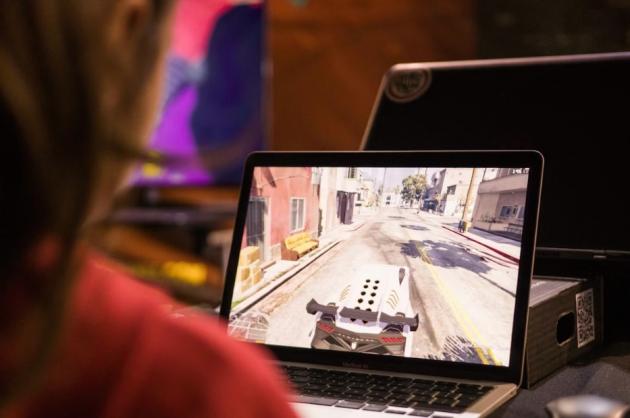
Competitive FPS gaming has evolved dramatically since 2023, with recent titles like Call of Duty: Black Ops 7, Counter-Strike 2, and Rainbow Six Siege X pushing both hardware requirements and skill ceilings to new heights. Whether you're a casual player looking to climb the ranks or an aspiring pro, staying competitive in 2026 requires a multi-faceted approach that goes beyond simply having good aim.
This comprehensive guide covers everything you need to dominate in today's most competitive FPS games, from optimizing your hardware setup to mastering advanced gameplay mechanics and mental performance techniques used by the pros.
Hardware Optimization: The Foundation of Performance
The hardware gap between casual and competitive players has widened considerably in 2026. Top players now consider certain specifications absolutely essential rather than merely beneficial.
The Pro-Level Setup
Today's competitive standard includes:
1. Mouse: Ultra-lightweight (under 70g) with 8000Hz+ polling rates and adjustable DPI. Lower sensitivities (400-800 DPI) with large mousepads are now standard for precision.
2. Monitor: 240Hz is considered the minimum for serious competition, with 360Hz becoming the new gold standard. The difference in reaction time and visual clarity is measurable.
3. Audio: High-fidelity headphones with 3D positional audio support have become crucial for detecting subtle movement cues.
Research confirms that upgrading from 60Hz to 144Hz+ monitors can reduce reaction times by up to 15ms – a significant advantage when milliseconds matter. Your PC needs to match these peripherals with at least an RTX 3060 or RX 6700 XT, 16GB RAM, and the latest generation processors to maintain competitive frame rates.
Network optimization is equally important. Wired ethernet connections, quality gaming routers with QoS settings, and even geographical proximity to game servers can dramatically impact your performance by reducing latency.
In-Game Settings: Maximizing Visibility and Responsiveness
The settings meta has shifted significantly in 2026, with pro players almost universally prioritizing performance and clarity over visual fidelity.
Graphics and Performance
Most competitive players disable or minimize settings that create visual noise: motion blur, film grain, ambient occlusion, and dynamic shadows are the first to go. However, some effects like muzzle flash and bullet tracers provide tactical information and should remain enabled at optimized levels.
Field of View (FOV) settings have trended upward, with most pros using 100-110° where available to maximize peripheral vision. Custom crosshairs with high contrast against common map backgrounds have become essential for target acquisition.
Audio settings deserve special attention – footsteps and weapon sounds provide critical information. In most competitive titles, lowering music and ambient sounds while boosting enemy movement audio can give you a significant tactical advantage.
Advanced Gameplay Mechanics
The technical skill gap in FPS games continues to widen, with movement techniques often separating good players from great ones.
Movement Mastery
Game-specific movement techniques have become increasingly important:
1. Counter-Strike 2: Counter-strafing, jiggle peeking, and shoulder peeking
2. Valorant: Bunny hopping, crouch-shooting, and rope-jumping techniques
3. Call of Duty: Slide cancelling (despite numerous 'nerfs'), dive-to-prone transitions, and camera breaking
4. Rainbow Six Siege X: Quick peeking, crouch/lean spam (where still viable), and vertical play
Mastering these mechanics requires deliberate practice. Top players now spend 30+ minutes daily in aim trainers like Kovaak's or Aim Lab, following structured routines that target specific skills: flicking, tracking, micro-adjustments, and target switching.
Mental Performance: The Overlooked Advantage
As technical skill gaps narrow at higher levels, mental performance often becomes the deciding factor. Professional teams now regularly work with esports psychologists to develop cognitive training routines.
Focus and Stress Management
Techniques borrowed from traditional sports are showing impressive results in the FPS space. Many pros now incorporate:
Box breathing: A 4-second inhale, 4-second hold, 4-second exhale pattern between rounds or during respawn timers to reset focus and reduce stress hormones.
Visualization: Mentally rehearsing scenarios and responses before matches to improve reaction time and decision-making under pressure.
Ritualization: Consistent pre-game routines that prepare the mind for competition, creating psychological triggers for peak performance states.
Performance consistency comes from managing emotional responses to both success and failure. The ability to maintain composure after losing a round often separates elite players from merely skilled ones.
Team Coordination and Communication
Even in games that reward individual skill, team coordination remains paramount.
Effective Communication
Professional teams use standardized call-out systems that prioritize information efficiency – location, number of enemies, damage dealt, and utility used. These calls are kept concise, allowing teammates to make split-second decisions.
Role specialization has intensified in 2026, with clear delineation between entry fraggers, support players, lurkers, and in-game leaders. This specialization allows players to develop deeper expertise rather than trying to excel at everything.
Performance Tracking and Improvement
Modern FPS improvement requires data-driven approaches. Tools like Battlelog cheats with ESP and more and other performance trackers provide detailed insights into gameplay patterns that would otherwise be invisible. While some enhancement tools are controversial, many competitive players use legitimate analytics to identify weaknesses in their gameplay.
The most effective practice regimens follow a simple pattern:
Measure: Establish baseline performance metrics like headshot percentage, reaction time, average damage per round
Identify: Pinpoint specific weaknesses through replay analysis and statistics
Target: Create focused drills addressing those specific weaknesses
Repeat: Continuously measure improvement and adjust training accordingly
The Complete Package
Dominating in competitive FPS games in 2026 requires mastery across multiple domains – technical setup, mechanical skill, mental fortitude, and strategic thinking. The best players develop all these areas simultaneously rather than hyperfocusing on just one aspect.
Start by optimizing your hardware setup to eliminate technical disadvantages. Then develop structured practice routines targeting your specific weaknesses. Incorporate mental performance techniques to maintain consistency. Finally, constantly analyze your gameplay to identify improvement opportunities.
The competitive landscape will continue evolving, but this comprehensive approach will keep you ahead of the curve and dominating the competition throughout 2026 and beyond.





 Foto gallery


